
Think Like A Brain!™
Understanding starts from the inside out.
A story-driven collection that turns the brain into a cast of characters ~ each with a role, a voice, and a personality kids recognize in themselves. Not instruction. Not a lesson. A doorway.
What Children Begin To Understand
This collection helps children recognize what is happening inside themselves ~ in real time.
Thoughts, emotions, and reactions begin to feel less confusing and more understandable.
As children connect with the characters, they begin to recognize those same patterns in their own experiences ~ giving them a way to pause, reflect, and respond with clarity.
✨ Did You Know?
By age 5, a child’s brain is already 90% of its adult size. The wiring laid in those first years sets the structural template for everything that comes after.
What This Collection Does
Children don’t need to be told to “calm down.” They need a story their brain can recognize. Think Like A Brain!™ gives every part of the brain a name, a voice, and a job to do so emotions, attention, and behavior finally make sense.
Children begin to understand that their brain has many parts, each with its own job, and that big feelings come from somewhere real inside them.
Parents and educators gain a shared vocabulary that replaces shame with curiosity. Instead of “stop that,” we get “what part of the brain is driving this?”
Families and classrooms build a common language around emotions, focus, and self-regulation, making it easier to talk, teach, and connect.
✨ Did You Know?
Children who can say “my brain is doing this right now” are better able to manage what they feel. Naming the wiring tames it.
Why Brain Literacy Belongs In Childhood
Most adults walk through their entire lives without ever knowing what their brain is actually doing under the surface ~ why focus drifts, why feelings flood, why a name slips, why a song sticks. Children who learn how their brain works, while their brain is still building itself, gain an advantage that compounds for the rest of their lives.
Self-knowledge of brain function in early childhood is one of the strongest predictors of self-regulation, study habits, emotional resilience, and even academic recovery after setbacks. The earlier a child can say “my brain is doing this right now,” the earlier they can say “and here is what I can do about it.”
The architecture forms in childhood. Executive-function skills develop rapidly in childhood and keep strengthening into early adulthood. The wiring happens through repetition, story, and friendly exposure. Brain literacy is the rare gift you can give a child that gets bigger every year they grow.
Protecting The 98%
In the 1960s, researcher Dr. George Land developed a test of creative, divergent thinking. Decades later, Dr. Land and Beth Jarman gave that same test to 1,600 children, longitudinally. What they found is a striking, if debated, illustration of how much creative potential the early years hold.
These are the percentages of children who scored at the level of creative genius on the same divergent-thinking test. This decline likely reflects many factors, including how schooling and daily life gradually reward convergent thinking over open exploration.
“Non-creative behavior is learned.”
Dr. George Land · Breaking Point and Beyond
It Takes A Village To Protect A Genius
No single adult, school, or system can hold the line alone. But every adult in a child’s life has a role to play. Here is what each of us can do, starting today.
What Schools Can Do
Curriculum is the strongest single lever. Small daily shifts compound into protected genius.
- Reserve daily time for divergent thinking ~ open-ended questions where there is no single right answer.
- Replace “the answer” with “an answer” in art, writing, and science exploration.
- Reduce timed testing for creativity-driven subjects, especially before grade 4.
- Build choice into the curriculum: let children pick their own books, projects, and problems whenever possible.
- Reward unusual responses with the same warmth you reward correct ones.
- Bring story-based learning back to math and science. Kids retain what is told, not just taught.
What Parents Can Do
You are the most consistent voice in your child’s head. Use it to keep the wonder lit.
- Read aloud daily, especially books with multiple possible interpretations.
- When your child asks “why?” ~ answer it, then ask one back. Wonder is contagious.
- Resist the urge to correct creative spelling, drawing, or theory-building before age 9.
- Make boredom available. Overstructured days quietly kill divergent thinking.
- Take walks where you both wonder out loud about ordinary things ~ the wind, the moon, the cracks in the sidewalk.
- Validate “wrong” answers in pretend play. The wrong answer is often the creative one.
What Caregivers Can Do
Grandparents, aunts, uncles, godparents, foster carers ~ children remember the adult who took their ideas seriously.
- Be the adult who says “tell me more” instead of “good job.”
- Bring different worlds: places, foods, music, books, and stories the child would not otherwise encounter.
- Honor a child’s questions like they are the most important questions in the world. Because to that child, they are.
- Model your own wonder out loud. Bored adults raise bored kids; curious adults raise curious ones.
- Be the consistent reading partner when the parents cannot. Even one reliable adult can shift a trajectory.
- Give the gift of stillness. Time alone with a book, a sketchpad, a window ~ all genius-protective.
How Therapists Can Help
Clinicians often see the curve before parents do. Early intervention can interrupt it.
- Hold space for divergent answers in assessment, not just convergent ones. The “off-topic” response is often clinically rich.
- Use story-based interventions (bibliotherapy, narrative therapy) alongside or in place of worksheets.
- Watch for creativity collapse as an early marker of school anxiety, depression, perfectionism, or autistic masking.
- Frame imaginative or unusual responses as data, not deficits.
- Teach parents to recognize creative behaviors as developmental wins worth celebrating.
- Build creativity-restoring activities into IEPs, 504 plans, and treatment goals.
Think Like A Brain Was Built For This Window
The decline happens between ages 5 and 15. That is the exact window Think Like A Brain!™ is written for.
Every Think Like A Brain story is designed around the principles that protect divergent thinking: open-ended questions, multiple right answers, narrative metaphor instead of memorization, and characters who model curiosity rather than compliance.
Story is not the only intervention. But it is the most accessible, most repeatable, and most loved. Every page a child meets in Think Like A Brain!™ is a small vote for the genius they were born with.
We do not teach genius. We protect it.
How It Comes To Life
Each book transforms parts of the brain into characters with roles, personalities, and purpose. These characters appear in relatable situations, helping children connect what they see in the story to what they experience in their own lives.
Over time, these characters become internal references ~ making it easier to understand, communicate, and move through thoughts and feelings.
Four Series, Four Goals
Each Series Opens a New Door Into the Brain
Series One
The Brainy Bunch
Know Your Brain
Meet the characters who live inside your head. Learn what each part of the brain does, how it helps you think and feel, and why every piece matters.
Series Two
Cortex Castle
Use Your Brain
Step inside the command center where plans are made, choices get sorted, and big feelings learn to land. Executive functions come alive through play and story.
Series Three
Busy Brain Café
Love Your Brain
Discover that a brain that moves differently is not a brain that’s broken. Neurodivergent stories that celebrate the bounce, the spark, and the beautifully busy mind.
Series Four
Steady Systems Squad
Heal Your Brain
When things wobble, your brain knows how to find its way back. Stories about regulation, recovery, and the quiet systems that help everything settle into steady ground.
✨ Did You Know?
By age 8, the brain’s executive-function skills are developing fast, and keep strengthening into early adulthood. The wiring you give a child now is the wiring they use forever.
The Brainy Bunch

START HERE
The Brainy Bunch
MEET THE TEAM INSIDE YOUR HEAD
Welcome to the busiest, brainiest place of all: inside YOU. This kickoff adventure introduces the entire Brainy Bunch, a curious, clever crew of characters who each run an important job inside your head. From breathing and balancing to big feelings and bright ideas, this book gives readers their very first peek behind the scenes.
Each character sparkles just enough to leave kids thinking, “Wait, who was THAT one?” and wanting to meet them again. This is the doorway into the whole series, building excitement, familiarity, and that irresistible feeling of “I need the next book.”

Brainstem Benny and the Automatic Adventure
THE HIDDEN HELPER THAT KEEPS YOU ALIVE AND STEADY
So much to juggle, remember, and do, your brain is busy helping you through. Thankfully, you have a Benny. Brainstem Benny works quietly in the background, a nonstop, behind-the-scenes powerhouse, taking care of all the automatic jobs so you do not have to. Breathing, blinking, balancing, pumping your heart, keeping everything humming, thumping, and flowing smoothly while you focus on being you.
A quiet relief settles in as children realize they are not in charge of running their whole body, and they never were. Benny has been there all along, steady and dependable, keeping everything moving so they can focus on exploring, imagining, and growing.

Bella Cerebellum's Balance Ballet
HOW YOUR BRAIN HELPS YOU MOVE, BALANCE, AND LEARN NEW SKILLS
One day you glide, the next day you sway, balance can wander, then find its way. Yesterday you were twirling, skipping steps, climbing stairs just fine. Today, the step feels tricky, the twirl goes crooked, and your body does not listen the way it used to. Frustration rushes in fast.
That’s when Bella Cerebellum gets to work. She notices when balance slips and quietly starts helping the body practice its way back. Try by try, wobble by wobble, she puts things back on track. This joyful, movement-filled story shows kids how practice builds balance, coordination, and confidence. Bella proves that mistakes are not failures. They are how the brain learns what to do next.

Olly the Occipital and the Lookout Tower
HOW YOUR BRAIN SEES, SORTS, AND MAKES SENSE OF THE WORLD
Bright or blurry, dim or dull, Olly gathers your sights and reports them all. High above your thoughts sits the Lookout Tower, and Olly the Occipital Owl sees EVERYTHING. Colors flash, shapes swirl, motion zooms past, and Olly turns it all into meaning at lightning speed.
It can feel confusing when the world rushes in all at once. This imaginative story helps kids realize that seeing is not just about eyes, it is about how the brain decides what matters most. Trust grows in how they notice the world. They learn that seeing differently is not wrong, and when others feel visually overwhelmed, patience and kindness help everyone find clarity again.

Tammy Temporal and the Soundy Sound Storm
UNDERSTANDING SOUNDS, LANGUAGE, AND WHEN NOISE FEELS LIKE TOO MUCH
Some sounds tiptoe, others go boom, noise can fill up every room. Voices overlap, music blares, chairs scrape, and suddenly it feels hard to think. Frustration bubbles when your ears cannot escape the noise.
Tammy Temporal steps in to help make sense of the storm. She listens closely, sorting sounds, finding meaning, and guiding the brain back toward calm. A sense of calm begins to build as children discover ways to ride out the noise. They learn to pause, tune in, turn things down, or take a break, and to notice when others need the same kindness and quiet while everyone finds their way back to steady.

Perry the Parietal and the Body Map Bash
HOW YOUR BRAIN KNOWS WHERE YOUR BODY IS AND HOW IT FEELS
Sometimes your body says yes, sometimes no, signals feel mixed up, fast and slow. Perry the Parietal throws the biggest bash in your brain, and everyone is invited, especially your elbows, toes, knees and nose.
Perry helps kids discover how the brain keeps track of where the body is, how things feel, and when personal space matters. Suddenly, clumsy moments, tickles, and “that feels weird” all start to make sense. A body-positive, confidence-boosting story that helps kids feel more at home in their own skin. They also learn to notice when others need space or gentleness, practicing kindness while everyone finds their way back to steady.

Hippocampus Hal and the Memory Maze
HOW YOUR BRAIN STORES, FINDS, AND REMEMBERS WHAT MATTERS
In and out, around and through, memories wander, then come back to you. You forget a name, a step, or what you were about to say, and the frustration sneaks in fast. It can feel like your brain is playing tricks on you.
Hippocampus Hal knows the maze well. He helps memories travel, settle, and return when they are ready, reminding children that remembering is a process, not a test. Forgetting feels less upsetting as patience takes its place. Children give themselves and others grace while memories find their way back. This reassuring, lighthearted guide helps kids walk away kinder to themselves and braver about learning.

Amy the Amygdala and the Overactive Alarm
WHY BIG FEELINGS HAPPEN AND HOW TO STAY IN CONTROL
DING! DING! DING! The alarm goes loud, fear can pop up uninvited and proud. Your heart races, your body tenses, and everything feels urgent, even when nothing looks wrong. It can be scary when big feelings arrive so fast.
Amy the Amygdala is quick to notice danger, real or imagined. She teaches that fear is information, not truth, and that calming tools help the brain reset. With Amy’s help, children begin to recognize the difference, understanding what fear is trying to say and practicing when to listen closely and when to let the alarm quiet down. This warm, validating story helps kids understand that big feelings can show up without a clear reason, and that it is okay.
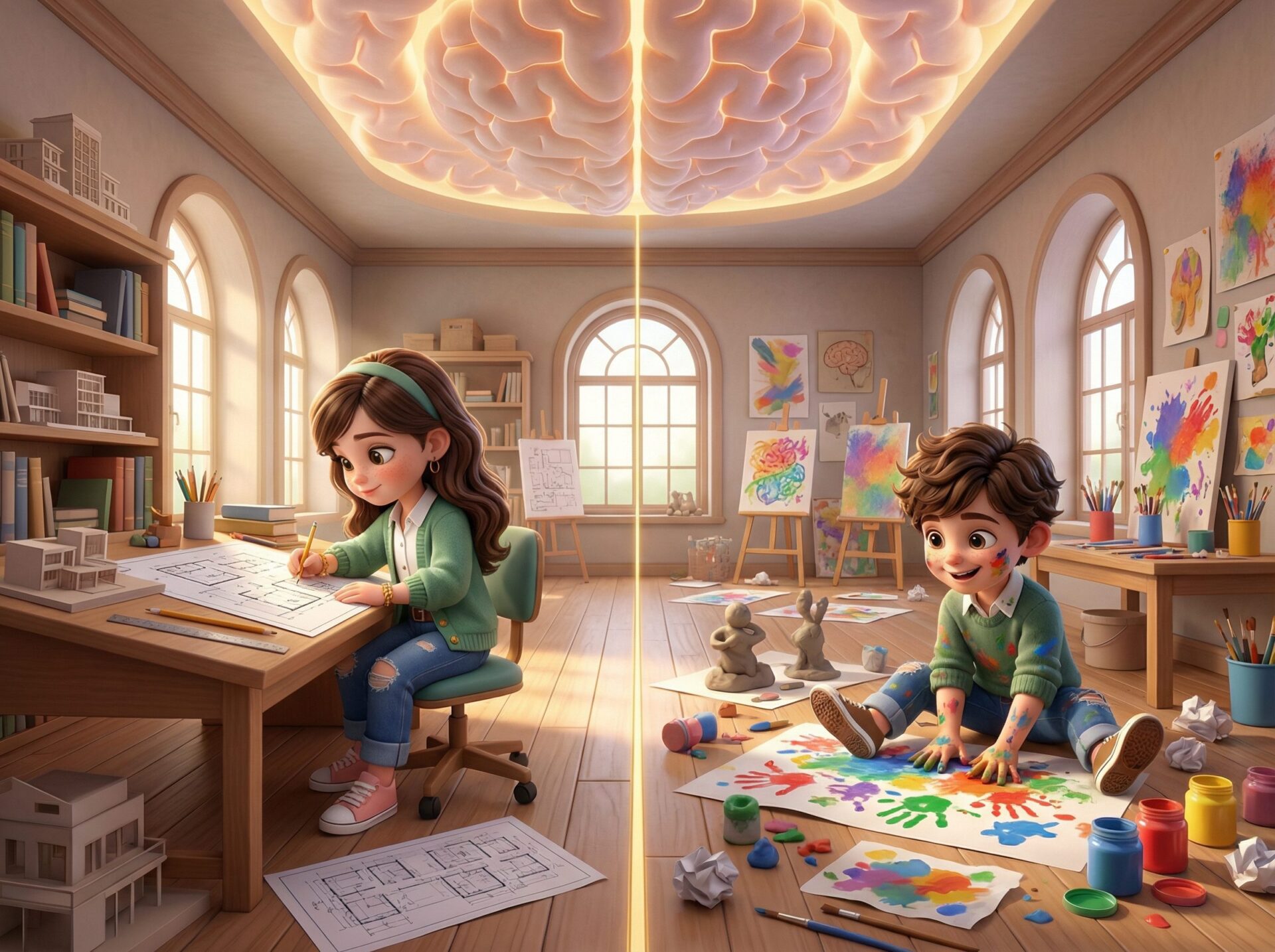
Luna Lefty and Roger Righty's Mixed-Up Masterpiece
HOW BOTH SIDES OF YOUR BRAIN THINK, CREATE, AND WORK TOGETHER
Two ideas tug, pull, and debate, which one should go first, which one should wait? Luna Lefty loves order. Roger Righty loves imagination. When those voices clash, thinking can feel loud, stuck, and messy. But, together, they make a glorious mess!
This playful showdown inside the brain shows kids what happens when logic and creativity stop arguing and start teaming up. The result is not perfect, but it is brilliant. Appreciation grows for the many ways thinking can work. Children begin to notice their own thinking styles and recognize them in others, learning that cooperation builds stronger ideas than choosing sides.
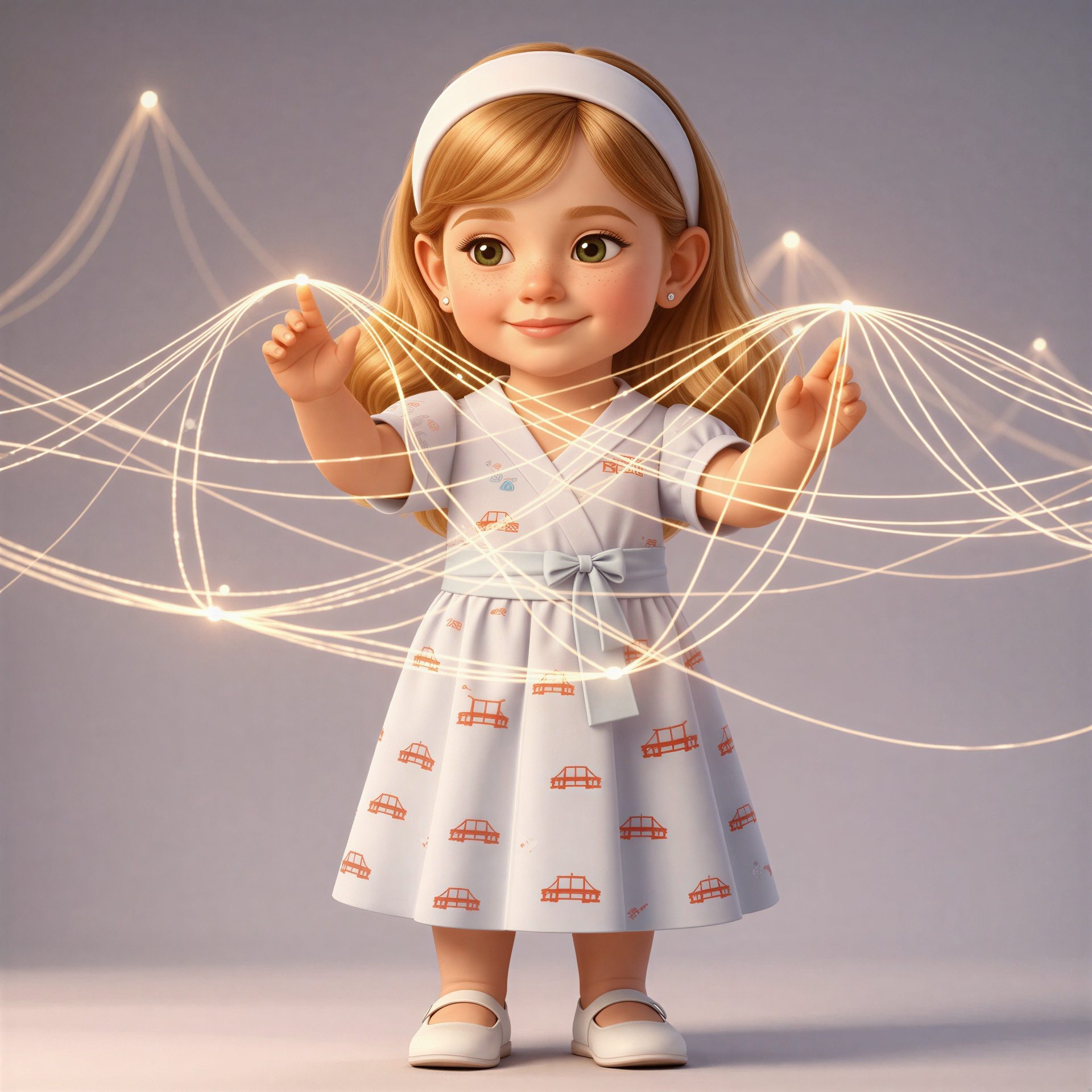
Callie the Connector and the Brain Bridge
HOW YOUR BRAIN SHARES IDEAS BETWEEN LOGIC AND IMAGINATION
Two sides, one bridge, a million ideas zooming across. Luna Lefty is on one side, Roger Righty is on the other, and right in the middle stands Callie the Connector, waving messages back and forth like the cheeriest traffic director you ever saw.
Callie shows kids how the two halves of the brain team up to do almost everything. Reading. Writing. Feeling a big feeling while solving a tricky problem. When Callie is on the job, separate thoughts become beautiful teamwork. This warm finale to the Brainy Bunch celebrates communication, cooperation, and how friendship inside our own head helps even the biggest ideas make it across the bridge.
Cortex Castle

START HERE
Cortex Castle
THE CONTROL CENTER FOR THINKING, PLANNING, AND MAKING CHOICES
Ding dong, come on through, Cortex Castle waits for you.
Step inside Cortex Castle, the front-of-the-brain HQ where big feelings crash, ideas sparkle, plans hatch, and choices get sorted. This high-energy kickoff gives kids a playful grand tour of the castle and a sneak peek at the brain helpers who run the show. Bursting with rhythm, rhyme, and storytime sparkle, it blends laugh-out-loud fun with real brain lessons, inviting kids to feel capable, curious, and ready to think like a brain.

Frontal Fred and the Decision Dilemma
HOW TO MAKE CHOICES WHEN EVERYTHING FEELS IMPORTANT
When what-now and what-next start to collide, Fred steps in to be your guide.
Meet Frontal Fred, the castle’s chief decision boss, juggling the what-now and what-next moments all day long. When choices pile up and brains feel buzzy, Fred teaches kids how to slow their thoughts, peek ahead, and choose one smart step at a time. Packed with playful rhyme, humor, and relatable kid chaos, this story delivers an exciting adventure and a powerful lesson in calm, confident decision making.

Impulsive Ian and the Button Box
LEARNING TO PAUSE, THINK, AND CHOOSE BEFORE YOU ACT
Sometimes doing beats the thought, impulse acts before it’s caught.
Impulsive Ian is speedy, splashy, and full of zoom, but sometimes his hands leap ahead before his brain can shout “wait.” In this laugh-filled, high-energy story, kids tumble right into those oh-no moments where everything happens all at once.
With bouncy rhythm, silly rhyme, and plenty of familiar kid chaos, Ian discovers the tiny magic hiding between feeling and doing. A pause. A breath. A quick check. Suddenly, stopping is not boring. It is powerful. It turns impulse control into a superpower kids want to try again and again.
Children walk away feeling proud of that quiet moment they didn’t notice before, the one that helps them choose what comes next.

Memory Molly and the Wandering Thoughts
HOW TO HOLD ONTO INFORMATION AND STAY ON TRACK
Thinking’s tricky, that’s okay, Molly’s here to help it stay.
Memory Molly is the careful keeper of thoughts, steps, and plans, but sometimes they sneak off right when you need them most. One moment they are right there, the next they are gone, hiding somewhere just out of reach.
Through playful rhyme and friendly rhythm, kids begin to notice why remembering can feel tricky and why a thought might slip away mid-task. As Molly gathers wandering ideas and brings them back together, forgetting starts to feel less frustrating and a little more familiar.
Molly becomes a friendly reminder that remembering is something the brain practices, not something it gets right once and forever.

Focus Frannie and the Great Distraction Chase
HOW TO STAY FOCUSED WHEN EVERYTHING TRIES TO PULL YOU AWAY
So much to see and so much to do, Frannie’s focus wanders too.
Focus Frannie has big plans, but distractions have plans too. They wiggle, jiggle, and zoom their way into her day, pulling attention here, then there, then somewhere else entirely.
With upbeat rhythm, playful chaos, and rhyme that keeps pace with wandering thoughts, this story turns attention into an action-packed chase. Frannie does not scold her focus or try to trap it. She notices it. Follows it. Gently invites it back.
Kids learn how to spot wandering focus, gently guide it back, and keep going without frustration or self-blame.

Planella and the Checklist Parade
TURNING BIG TASKS INTO SIMPLE, STEP-BY-STEP PLANS
Check, check, hooray, one small step shows the way.
Planella loves lists, tiny steps, and the very best sound of all, check! When a task feels too big to start, she does not rush or retreat. She breaks it into pieces that feel friendly enough to try.
As steps line up and march along like a cheerful parade, starting begins to feel possible. Then satisfyingly fun. With playful rhythm, gentle humor, and moments kids recognize right away, this story turns planning into something that feels welcoming instead of overwhelming.
Children learn how one small beginning can lead to another. Not because everything is finished, but because starting no longer feels so hard.

Flexi and the Changey Changeroo Day
LEARNING TO ADAPT WHEN THINGS DON’T GO AS PLANNED
When change pops up without a sound, Flexi helps you turn around.
Uh oh. Plans changed. Snacks moved. Socks soaked. When surprises tumble in, Flexi leaps into action, not to fix everything, but to help things bend instead of break.
With clever rhymes and playful humor, this fast-moving story follows the moment when “that’s not what I expected” turns into “maybe we can try this.” Flexi shows that changing course does not mean giving up. It means staying with yourself while finding a new path.
Soon, surprises feel a little less scary and a lot more workable. Flexible thinking begins to feel like a quiet superpower children already have.

Self Talk Sally and the Thoughtful Echoes
HOW YOUR INNER VOICE SHAPES CONFIDENCE AND GROWTH
Brains talk back both kind and mean, Sally hears what’s in between.
Self Talk Sally hangs out where thoughts echo, repeat, and sometimes get a little loud. She notices the words that lift you up and the ones that make things feel heavier than they need to be.
In this warm, playful story packed with rhythm and rhyme, kids recognize right away, to listen closely to what their inner voice is saying. Not to silence it. Not to argue with it. Just to notice, and gently try something kinder.
Children begin to hear their thoughts a little differently. They learn how inner words can boost confidence or bring it down. By spotting mean brain talk and swapping it for kinder, braver thoughts, children build self-belief while having a whole lot of storytime fun.

Starter Stacy and Finisher Finn
HOW TO BEGIN TASKS AND KEEP GOING UNTIL THEY’RE DONE
Start feels stuck, the end feels far, Stacy and Finn know where you are.
Starter Stacy sparks the beginning of a task, and Finisher Finn cheers all the way to the end. When starting feels sticky or finishing feels far away, this dynamic duo turn starting and finishing into a shared adventure. With cheerful rhyme, spirited humor, and moments kids recognize right away, this story stays with the feeling of keeping going, one small step at a time.
Children learn how to celebrate perseverance, follow-through, and the joy of being done. Not because everything is easy, but because no one has to do it alone.

Milo the Minute Keeper and Mae the Moment Seeker
UNDERSTANDING TIME, PATIENCE, AND HOW TO PACE YOURSELF
Minutes creep and moments race, Milo and Mae keep time in place.
Milo keeps an eye on ticking minutes while Mae notices moments zoom by. Together, they explore how time can feel extra wiggly, especially when kids are waiting, rushing, or moving from one thing to the next. Through familiar kid moments, this story turns time awareness into an engaging adventure. Waiting feels a little shorter. Transitions feel a little smoother. Rushing feels less loud.
Children learn gentler relationship with time. Not perfectly paced. Just more patient, more prepared, and a little easier to handle when the clock feels tricky. Suddenly, pacing, patience, and transitions suddenly feel friendlier and easier to handle.

The Power of Pausing with Penny
THE SKILL THAT HELPS YOU THINK BEFORE YOU REACT
When feelings flare and choices call, Penny pauses through it all.
Penny is the pause between feeling and doing, the tiny moment that can change everything. She shows up when emotions run high and things feel like they might spill over, offering just enough space to breathe.
With calming rhythm, reassuring rhyme, and everyday kid moments, children learn how to stop, breathe, and choose a better next step when emotions run high.
Children discover that strong feelings feel less scary. Choices feel more possible. And that quiet moment between now and next becomes something they trust.
This finale delivers a powerful self-regulation tool wrapped in warmth, confidence, and storytime sparkle.
Busy Brain Café

START HERE
Nathan Neuron and the Bouncy Brain
UNDERSTANDING MOVEMENT, FOCUS, AND HOW YOUR BRAIN LEARNS BEST
Not too much and not too wild, just a busy-brained brilliant child.
Nathan Neuron’s thoughts bounce, his body wiggles, and his ideas seem to arrive all at once. Sitting still is tricky, but curiosity is never in short supply. His brain likes to move, explore, and leap ahead before the rest of the world catches up.
Inside this story, children follow Nathan through moments that feel familiar. The urge to move. The spark of an idea mid-task. The feeling of being told to slow down when everything inside says go. Without fixing or quieting the bounce, the story makes space for it, showing how movement and thinking can work together.
Children can walk away feeling a little more understood. Busy does not feel wrong. Different does not feel lonely. And a brain that moves quickly begins to feel like something to care for, not control.
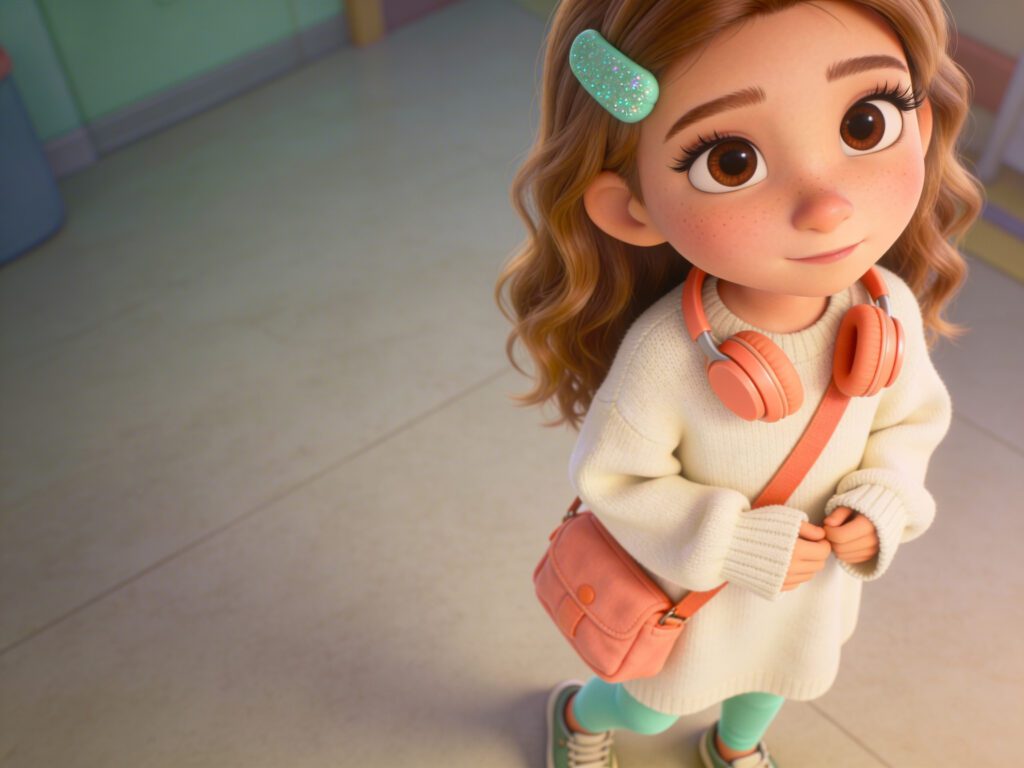
Sara Sprinkle the Sensa and the Super Sensitive Day
WHEN THE WORLD FEELS TOO LOUD, BRIGHT, OR OVERWHELMING
Big sensations, sharp and true, Sara feels the world times two.
Sara Sprinkle notices everything bigger than others. Sounds arrive louder. Lights shine brighter. Fabrics feel scratchier, smells linger longer, and busy days can pile up fast. Her senses do not whisper. They speak right up.
In this gentle, playful story, children step into a day that feels full from the very first moment. As Sara moves through the world, she begins to notice what helps her feel steadier when everything feels like too much at once.
Children gain an understating that sensitivity feels a little less confusing and a lot more recognizable. Those who feel deeply, begin to recognize themselves, and those who do not, begin to notice the signs in others. A pause replaces judgment. Curiosity replaces frustration. And helping someone through a loud moment starts to feel natural.

Overwhelmed Owen and the Senses Overload
WHAT HAPPENS WHEN TOO MUCH HITS YOUR BRAIN AT ONCE
Noise and light and go-go-go, Owen’s bucket starts to overflow.
Owen’s day does not begin as too much. It becomes too much. One sound. One task. One bright light. One more thing added on top of the last.
Come with us as we learn how small moments stack and stack again until the brain and body quietly wave a flag. As Owen starts to notice the signs of overload building, children begin to recognize how overwhelm grows over time, not all at once.
Owen’s story helps shift how overload is seen. What once looked sudden or confusing starts to make sense. Children learn to spot when someone’s bucket is getting full and respond with patience instead of pressure. Overwhelm becomes something to notice early, meet gently, and move through together.

Interoceptive Ivy and the Inside Signals
LEARNING TO NOTICE HUNGER, FEELINGS, AND BODY CLUES
Hunger, tired, fast or slow, Ivy tries to let you know.
Interoceptive Ivy listens for the quiet messages that live inside the body. A rumble in the tummy. Heavy eyelids. A quick heartbeat. A signal whispering that says something needs attention, even if there are no words for it yet.
But when those whispers are missed again and again, they do not disappear. They grow louder. Harder to ignore. Ivy shows how the body keeps trying to be heard, turning gentle clues into big feelings when care comes too late.
As the story unfolds, Ivy begins to notice patterns, encouraging children to learn them too. Growing more familiar with these inside clues, in themselves and in others. Structure starts to feel supportive instead of strict. Care feels proactive instead of urgent. And listening becomes a quiet way to keep things from getting too loud in the first place.
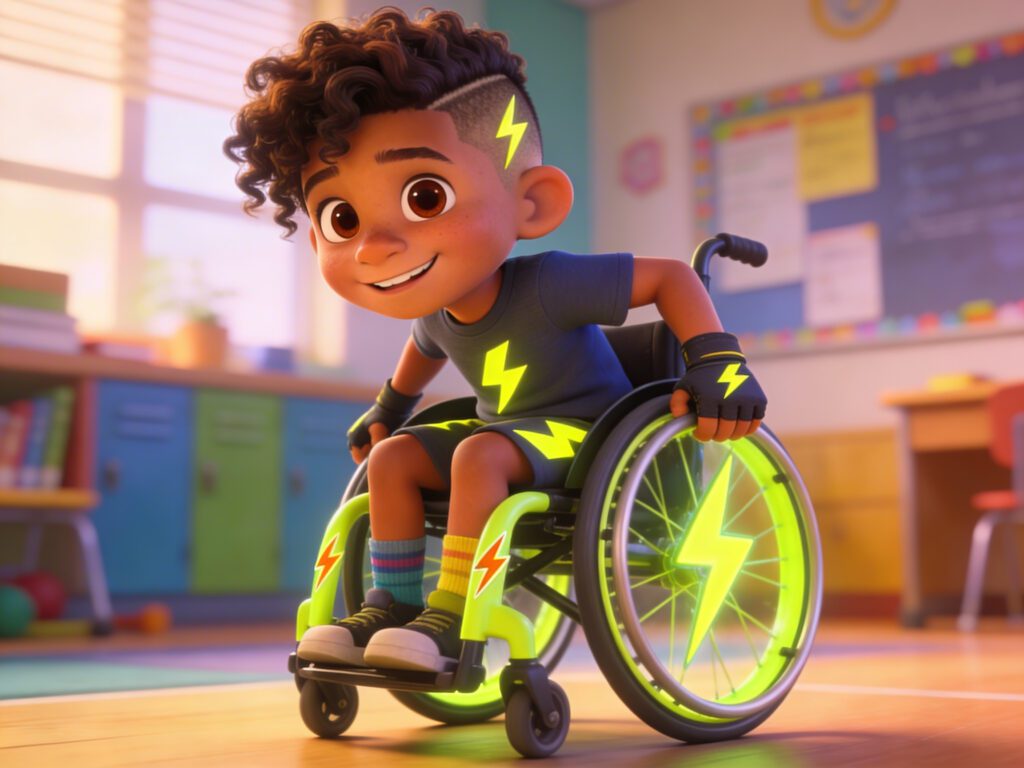
Zane’s Zigzag Thoughts and the Path to Peace
HELPING FAST, BUSY THOUGHTS SLOW DOWN AND FIND CALM
When thoughts won’t slow and worries race, Zane looks for a calmer place.
Zane’s thoughts zigzag. One worry sparks another, then another, looping and leaping before he can catch his breath. His mind moves fast, even when his body wants to rest.
In this steady, reassuring story, children follow Zane as he discovers small ways to come back to the present moment. A pause. A breath. A path that leads out of the zigzag and into something quieter. The thoughts do not disappear, but they stop feeling so powerful.
Zane’s story helps anxiety feel more recognizable and less overwhelming, both in ourselves and in others. What once looked like overthinking begins to look like a brain asking for grounding. And peace becomes something children learn they can find again and again.

The Busy Brain Café
CELEBRATING ALL THE DIFFERENT WAYS BRAINS THINK AND LEARN
Every brain has its own way, all are welcome here to stay.
Pull up a chair. Let your thoughts settle. ALL that come here are welcome.
Busy Brain Café is a warm, imaginative place where all kinds of brains gather. Brains that bounce and buzz. Brains that notice everything. Brains that feel too much, think sideways, zigzag, pause, rush, or need a moment to rest. No brain is asked to change before coming in. Every brain belongs.
Through gentle stories filled with rhythm, heart, and familiar moments, children meet characters who feel a lot like they do. Some days are noisy. Some days are overwhelming. Some days thoughts race ahead while feelings lag behind. In this café, those experiences are not problems to fix, but parts of being human to understand.
Each story offers a quiet moment of recognition. A feeling of being seen. A soft “ohhh” when something inside finally makes sense. Without explaining or correcting, Busy Brain Café helps children build compassion for themselves and others, discovering that different ways of thinking can share the same table.
This series invites children to return again and again, finding comfort, language, and belonging in a place where every brain is treated with care.
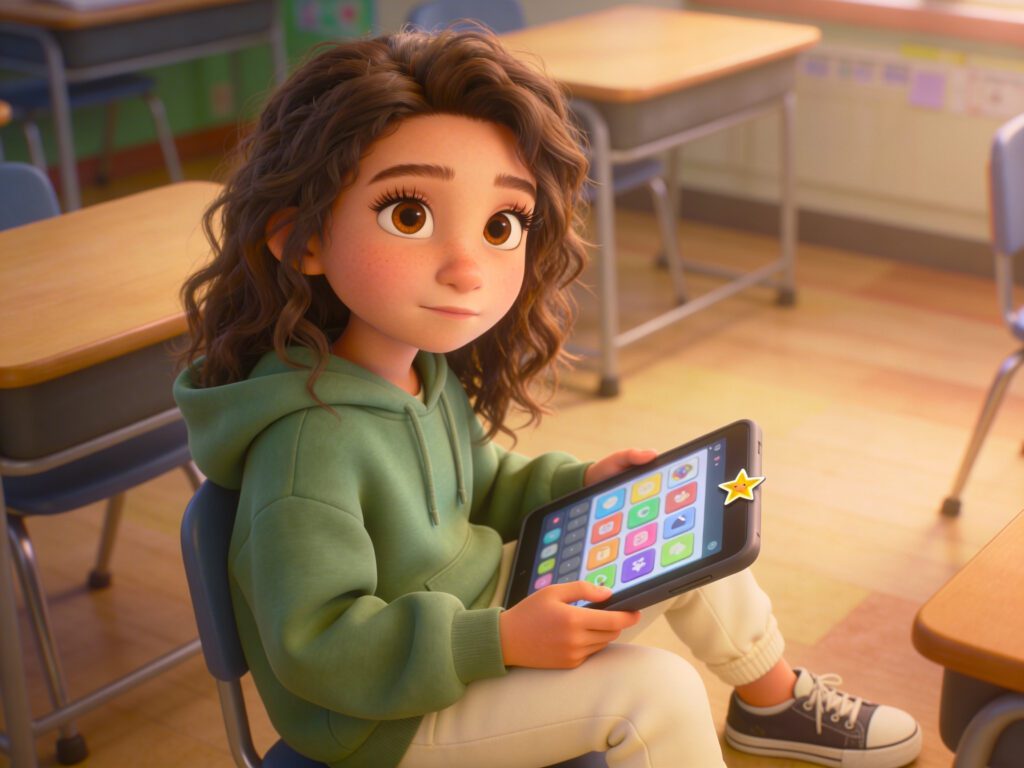
The Listening Light
UNDERSTANDING COMMUNICATION BEYOND WORDS
Words aren’t needed to be known, listening shines on its own.
The Listening Light glows quietly, noticing messages that never arrive as words. A look. A movement. A pause. A feeling shared without sound. In its soft shine, children discover that understanding can happen in many ways.
This story invites readers into moments where words are missing or hard to find, and shows how attention, patience, and presence can speak just as clearly. The Light does not rush or demand. It watches. It waits. It understands.
Here is where children begin to notice communication happening all around them, in themselves and in others. A new kind of listening takes shape, one that sees beyond sound and meets people exactly where they are.

The Language of Love
HOW TO CONNECT, COMMUNICATE, AND SUPPORT NEURODIVERGENT MINDS
Love shows up in what we do, not just what we say is true.
Love is not always loud. Sometimes it looks like waiting. Sometimes it sounds like patience. Sometimes it feels like staying close when words are hard to find.
In this gentle, heartfelt story, children explore the many ways love can be shared through actions, care, and understanding. A hand held. A pause given. A moment of being seen just as you are. Love becomes something you can feel, even when nothing is said.
Each return to this story helps children notice love happening all around them, in themselves and in others. Connection grows quieter, deeper, and more real. And love begins to feel like something steady they can both give and receive, every day.

Trying Theo and the How-To Hiccup
WHEN YOUR BRAIN KNOWS WHAT TO DO BUT YOUR BODY NEEDS PRACTICE
The “how” got stuck along the way.
Trying Theo is ready to go. He has the idea. He has the excitement. He even has the first step. But somewhere in the middle, the how-to hiccups show up, and everything suddenly feels harder than it should.
This story stays with that stuck moment, when effort is there but progress pauses. Theo does not give up, and he does not magically know what to do next. Instead, he learns how to stay with the frustration, notice when help is needed, and keep trying without feeling like something is wrong with him.
Children learn that getting stuck feels less discouraging and more familiar. They begin to recognize this moment in themselves and in others, responding with patience instead of pressure. Trying becomes something steady and human, not something that has to look perfect to count.

Drowsy Drew and the Nighttime Repair
WHY SLEEP HELPS YOUR BRAIN RESET, REPAIR, AND GROW
When bodies slow and lights dim too, night gets busy fixing you.
Drowsy Drew feels the day settling into his bones. His eyes grow heavy, his thoughts grow quiet, and something inside begins to soften. Night is not the end of the day. It is when important work begins.
In this soothing, comforting story, children discover that rest is not about stopping. It is about repairing. While Drew sleeps, his brain and body get busy smoothing, sorting, and rebuilding from the day before.
Children learn the importance of how tired starts to feel less frustrating and more understandable, in themselves and in others. Rest becomes something to trust, not resist. And nighttime becomes a safe place where healing happens quietly, one breath at a time.
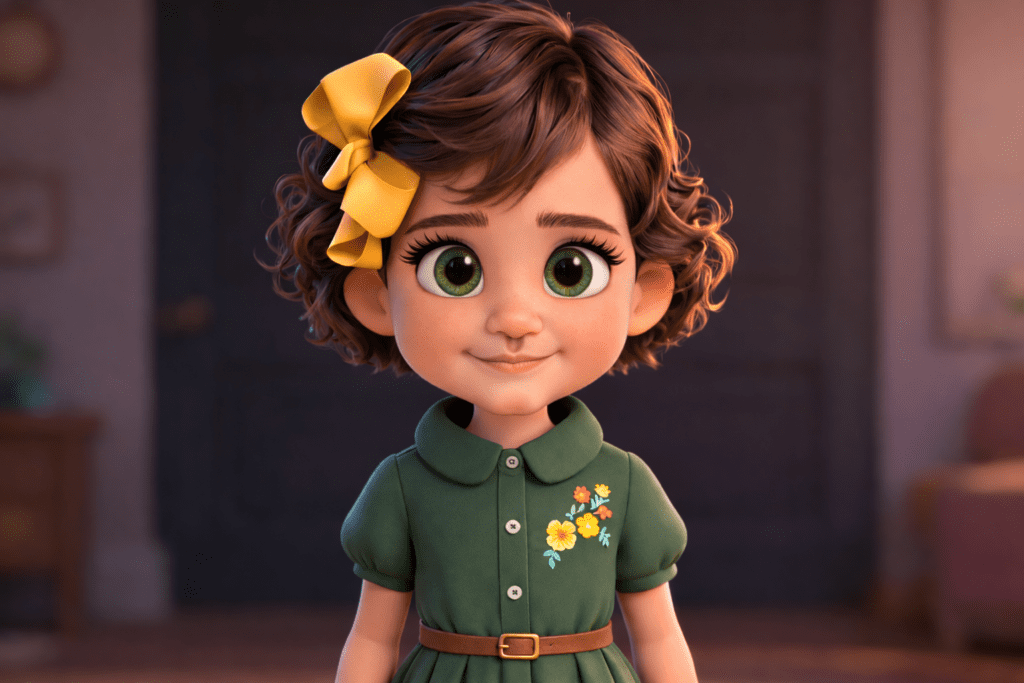
Burned-Out Bonnie and the Rebuild
RECOGNIZING BURNOUT AND LEARNING HOW TO RECOVER
When someone’s spark has burned too bright, rest helps bring back gentle light.
Bonnie did all the things. She tried hard, helped often, and kept going even when her energy began to fade. One day, her spark feels dim, not because she failed, but because she gave and gave without stopping.
This tender story stays with the moment when slowing down becomes necessary, not optional. Bonnie learns that rest is not quitting. It is how rebuilding begins. Little by little, care returns, and strength grows quietly again.
Children learn burnout feels easier to recognize, both in themselves and in others. Pushing gives way to understanding. Rest feels deserved. And choosing to slow down becomes an act of wisdom, not weakness.
Steady Systems Squad
Coming Soon
START HERE
The Steady Systems Squad
HOW YOUR BRAIN REGULATES ENERGY, STRESS, AND BALANCE
When things wobble, rush, or sway, steady systems lead the way.
Inside every brain is a quiet team working behind the scenes, helping things stay balanced even on the busiest days. When energy runs high, when stress rolls in, or when rest is needed most, the Steady Systems Squad is already on the job.
This opening story introduces the helpers who regulate, reset, and rebuild over time. Not by rushing in or taking over, but by gently guiding the brain back toward steady ground. Waves rise and fall. Systems adjust. Balance returns.
Children begin to notice how steadiness shows up in themselves and in others. What once felt like chaos starts to feel organized. Support feels built in. And the brain begins to feel like a place that knows how to care for itself.
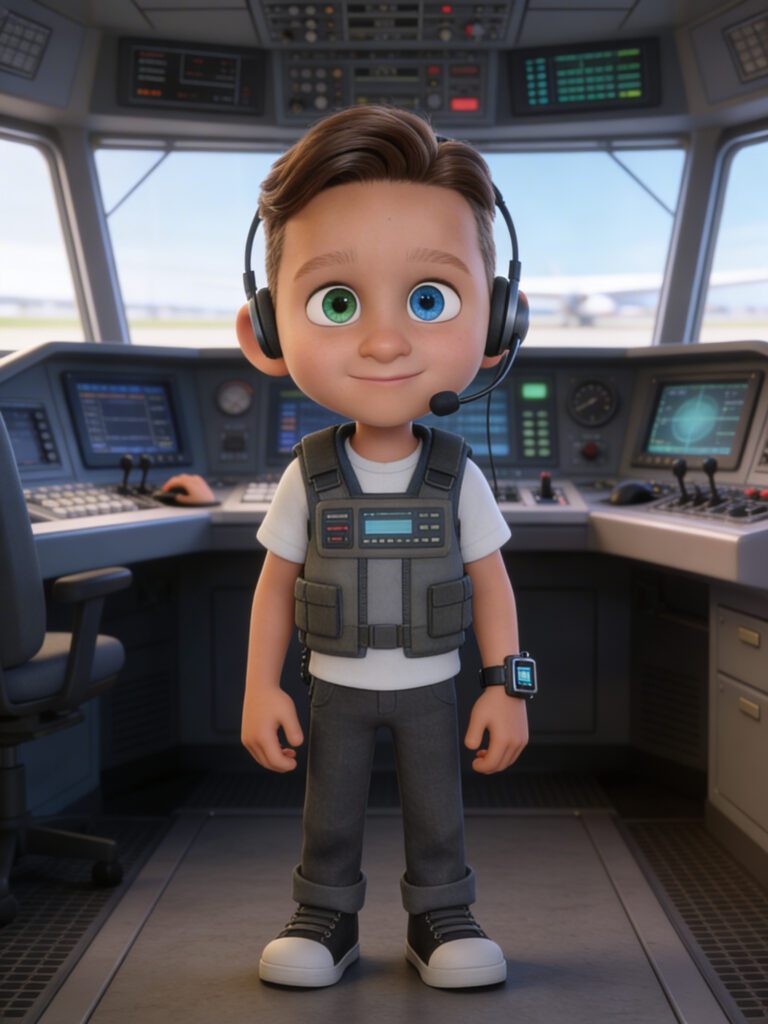
Timothy Thalamus and the Traffic Tower
HOW YOUR BRAIN SORTS AND ROUTES INFORMATION
When everything tries to rush right in, Timothy chooses what gets in.
Up in the Traffic Tower, Timothy Thalamus watches signals race toward the brain. Sounds honk. Lights flash. Touches tap. Thoughts crowd the gate, all at once.
Timothy flips signals like a pro. Green light, go. Yellow light, slow. Red light, wait. Some signals move through right away. Others pause their engines. A few are waved off until later, not because they are wrong, but because the brain needs space to breathe.
Follow along as traffic thins, lanes clear, and the rush settles. Timothy’s story leaves kids with a steady feeling. The brain has a way to handle the noise, guiding attention where it matters most and keeping overwhelm from piling up.

Danny Dimmer and Wake-Up Wonda
UNDERSTANDING ENERGY LEVELS, ALERTNESS, AND SLEEP-WAKE BALANCE
Dim it down or wake it wide, Danny and Wonda work inside.
Some moments need a spark. Others need a soften. Danny Dimmer and Wake-Up Wonda know the difference.
In this lively, light-switching story, kids meet the duo who help the brain match its energy to the moment. When things feel too buzzy, Danny gently turns the dial down. When everything feels foggy or slow, Wonda flips the switch and brings the brightness back.
Lights rise. Lights lower. The pace begins to fit. Following Danny and Wonda, children discover that energy is not stuck on one setting. It can change. It can adjust. And there is help inside that knows when to wake things up and when to let them rest.

The Start, Stop, and Switch Station
HOW YOUR BRAIN BEGINS, ENDS, AND TRANSITIONS BETWEEN TASKS
Start says yes and stop says no, switch says take a different road.
At the Start, Stop, and Switch Station, things are always moving. Signals flash. Tracks split. Choices appear right when you least expect them. This is where three helpers keep everything from getting stuck or spinning out.
Starty Marty gets things going when it’s time to begin. Stopper Hopper steps in when a pause is needed. And Switchy Mitchy helps when a change direction is needed.
Follow along as paths open, pauses happen, and plans shift without panic. This story leaves children with a steady understanding that stopping is allowed, starting can wait, and switching doesn’t have to bring in big feelings.
Coming Soon
The Night Shift and the Sleepy Crew
WHAT YOUR BRAIN DOES WHILE YOU SLEEP
While you sleep and dreams drift through, night gets busy fixing you.
When the day winds down and eyes grow heavy, a different kind of work begins. The Night Shift and the Sleepy Crew step in, moving softly through the brain, tidying, sorting, and restoring after a long day.
In this gentle nighttime story, children discover that sleep is not empty time. It is active, helpful, and full of care. While dreams float by, the crew smooths rough edges, clears away leftovers from the day, and helps everything feel ready for tomorrow.
This story leaves children with a comforting sense of trust. Rest becomes something to welcome, not resist. And nighttime begins to feel like a safe, busy place where healing happens quietly, one dream at a time.

The Stress Wave and the Return to Calm
UNDERSTANDING STRESS AND HOW YOUR BODY FINDS BALANCE AGAIN
Up it rises, then down it goes, stress moves like the ocean flows.
Stress does not arrive quietly. It rises. It builds. It swells until everything feels full and fast and tight all at once. In this story, stress becomes a wave, powerful but temporary.
Children follow the wave as it climbs, crests, and begins to fall. Nothing is rushed away. Nothing is stuck forever. The body rides the motion, learning that the wave has a shape and a rhythm of its own.
This story leaves children with a steady reassurance. Big stress does not mean something is wrong. It means something is moving. And just like the ocean, the brain knows how to settle again, returning to calm when the wave has passed.
Coming Soon
The Brain Growth Gathering
HOW YOUR BRAIN CHANGES, LEARNS, AND GROWS OVER TIME
Every practice, pause, and play helps brains grow stronger day by day.
In this welcoming story, children step into a gathering where growth is not rushed and nothing is expected all at once. Brains arrive just as they are, bringing every try, every wobble, every moment of effort along with them.
As the Growth Guides look on, children discover that change happens quietly, built from practice, patience, and time. Nothing dramatic. Nothing forced. Just steady growth unfolding in its own way.
This story leaves children with a calm confidence. Learning does not need to be fast to matter. Growth is already happening, shaped by each small moment along the way.
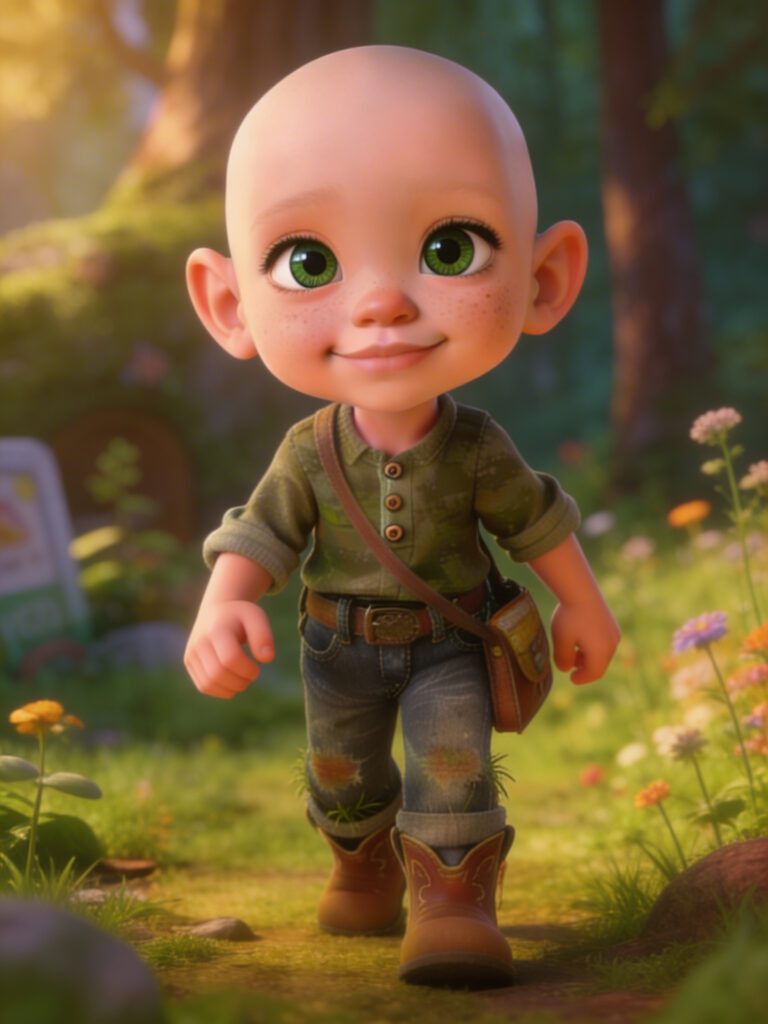
Paul’s Practice Path
WHY REPETITION BUILDS STRONGER BRAIN CONNECTIONS
Every practice, pause, and play helps brains grow stronger day by day.
In this welcoming story, children step into a gathering where growth is not rushed and nothing is expected all at once. Brains arrive just as they are, bringing every try, every wobble, every moment of effort along with them.
As the Growth Guides look on, children discover that change happens quietly, built from practice, patience, and time. Nothing dramatic. Nothing forced. Just steady growth unfolding in its own way.
This story leaves children with a calm confidence. Learning does not need to be fast to matter. Growth is already happening, shaped by each small moment along the way.

Daisy’s Daydream Network
HOW IMAGINATION HELPS YOUR BRAIN CONNECT IDEAS
Between the doing and the rest, daydreams help the brain do best.
Daisy notices what happens when minds wander. Thoughts drift. Focus loosens. Images float by without asking permission. This is not a mistake. It is a different kind of work beginning.
In this gentle, imaginative story, children follow Daisy through the space where ideas stretch out, creativity sparks, and tired thinking gets a chance to breathe. Daydreams are not pulled back or pushed away. They are welcomed as part of how the brain restores and creates.
Come read along as children learn with a comforting understanding. Wandering thoughts are not wasted time. They are part of balance, imagination, and quiet renewal. And sometimes, letting the mind drift is exactly what helps it come back ready.
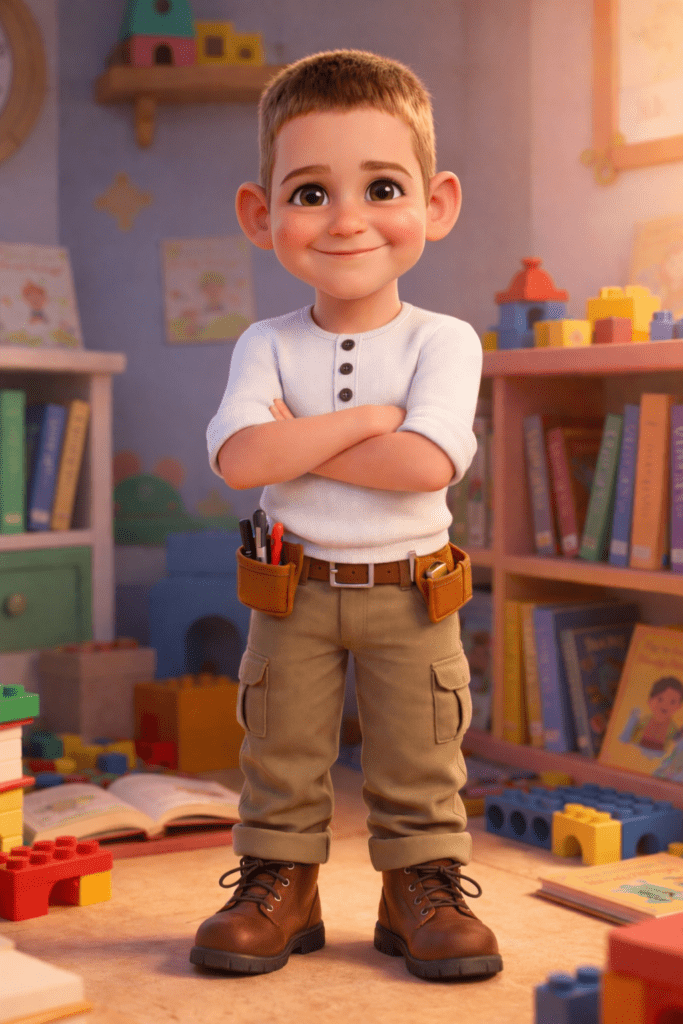
Remy’s Rebuild Crew
HOW YOUR BRAIN HEALS, RESTORES, AND GETS STRONGER AGAIN
After struggle, stress, or strain, rebuilding makes the room for gain.
Some days take more than they give. Energy runs low. Feelings feel heavy. That’s when Remy and the Rebuild Crew step in.
In this warm, steady story, children meet the helpers who show up after hard moments. They do not rush or patch things up all at once. They work slowly, carefully, restoring what was worn down and making space for strength to return.
Children leave this story with a gentle truth to carry with them. Needing time to rebuild does not mean something is wrong. It means care is happening. And with patience, rest, and support, the brain knows how to grow steady again.
Start the Journey
Every story helps your child understand their brain a little more. Start with The Brainy Bunch and let the adventure begin.
How The Magic Works
The Science Behind the Stories
01
Meet The Character
Each brain region becomes a friendly character with a name children remember. Benny. Bella. Amy. Hal. These are not metaphors, they are entry points into real neuroscience.
02
Watch Them Work
Stories show the character doing their real job inside the brain ~ managing fear, filtering input, storing memory, driving impulse. Children see the invisible made visible.
03
Recognize The Moment
When the feeling shows up in real life, children have language for it. They can say “that was my Amy,” and suddenly, shame loses its grip. Understanding replaces confusion.
✨ Did You Know?
Children who get the recommended sleep for their age show roughly 2x the vocabulary growth of sleep-deprived peers. The story you read at bedtime gets written into long-term memory while your child dreams.
Extend The Learning
Additional materials designed to support and deepen understanding beyond the story.
Every book in the series comes with companion resources designed to deepen understanding and spark conversation.
Printable Activity Packs
Hands-on activities that reinforce learning through drawing, writing, and creative play. One per book.
Reflection Prompts
Thoughtful prompts that help children connect each story to their own experiences and emotions.
Parent & Educator Guides
Conversation starters and context for adults to guide children through each story's themes.
Free Companion Worksheets
Character cards, Quotes, & Coloring Sheets that help the lesson land and last. hese are included in the Paid for Activityy Packs.
✨ Did You Know?
Brain literacy in early childhood predicts lifetime academic resilience better than IQ, family income, or school quality. The earliest exposure is the most durable, and we are starting it in story form.
When It Starts To Click
As children become familiar with the characters, they begin to recognize those same processes in themselves. A strong reaction becomes something they can name. A pause becomes something they can choose.
What once felt overwhelming begins to feel understandable.
✨ Did You Know?
Music exposure before age 5 strengthens neural pathways for math, language, and emotional regulation simultaneously. Lullabies are also algebra lessons.
For Parents & Educators
“When a child learns to say ‘that was my Amy,’ something sacred happens. Shame loses its grip. Fear becomes recognizable. And the child, for perhaps the first time, feels like the author of their own story.”
~ Maisel McLaula
This series was built for the adults in a child’s life ~ the ones who read aloud at bedtime, who notice the meltdown before it peaks, who want a better way to talk about what’s happening inside. Each story is grounded in neuroscience, shaped by developmental psychology, and told with the warmth of someone who believes every child deserves to understand their own mind.
Thank You For Wondering Out Loud.
Whether you are the parent who explains why ice melts, the teacher who pauses for a question, the therapist who names what is happening inside, or the grandparent who answers “why?” the same way for the hundredth time ~ thank you. The brain-curious adult is the rarest and most consequential adult in a child’s life.
Children whose adults explain how feelings, focus, and memory work are 3x more likely to develop strong self-regulation by age 10. Brain literacy is taught at the kitchen table, not in a textbook.
You are doing something brave: telling a child the truth about how they think, while they are still learning how. That kind of honesty changes a life.
Stay In The Loop.
Subscribe to the NextGen Learners Newsletter for stories from Maisel, behind-the-scenes peeks at upcoming books, free printable surprises, and the occasional very gentle reminder that bedtime stories are still the best technology ever invented.